Have you ever discovered a simple beauty tip and wondered, “Why didn’t anyone tell me this before?”
Beauty doesn’t always require expensive products, complicated routines, or a shelf full of skincare bottles. Sometimes, small changes in the way you wash your face, dry your hair, apply sunscreen, or clean your makeup tools can make a surprisingly big difference.
Beauty communities are full of these little discoveries. People often share the things they learned only after years of trial and error — from changing pillowcases more frequently to being more careful with heat styling.
Here are some simple beauty tips you may not know about that are worth adding to your everyday routine.
1. Your skincare routine doesn't need to be complicated
More skincare products don't automatically mean better skin.
A simple routine built around cleansing, moisturizing, and sun protection can be a much better starting point than using numerous products at once. Dermatologists also emphasize that consistency is more important than having a complicated routine.
If you're constantly changing products, it can also become difficult to understand what is actually working for your skin.
Simple is often better:
- Gentle cleanser
- Moisturizer suited to your skin type
- Broad-spectrum sunscreen during the day
2. Sunscreen is one of the most important beauty products
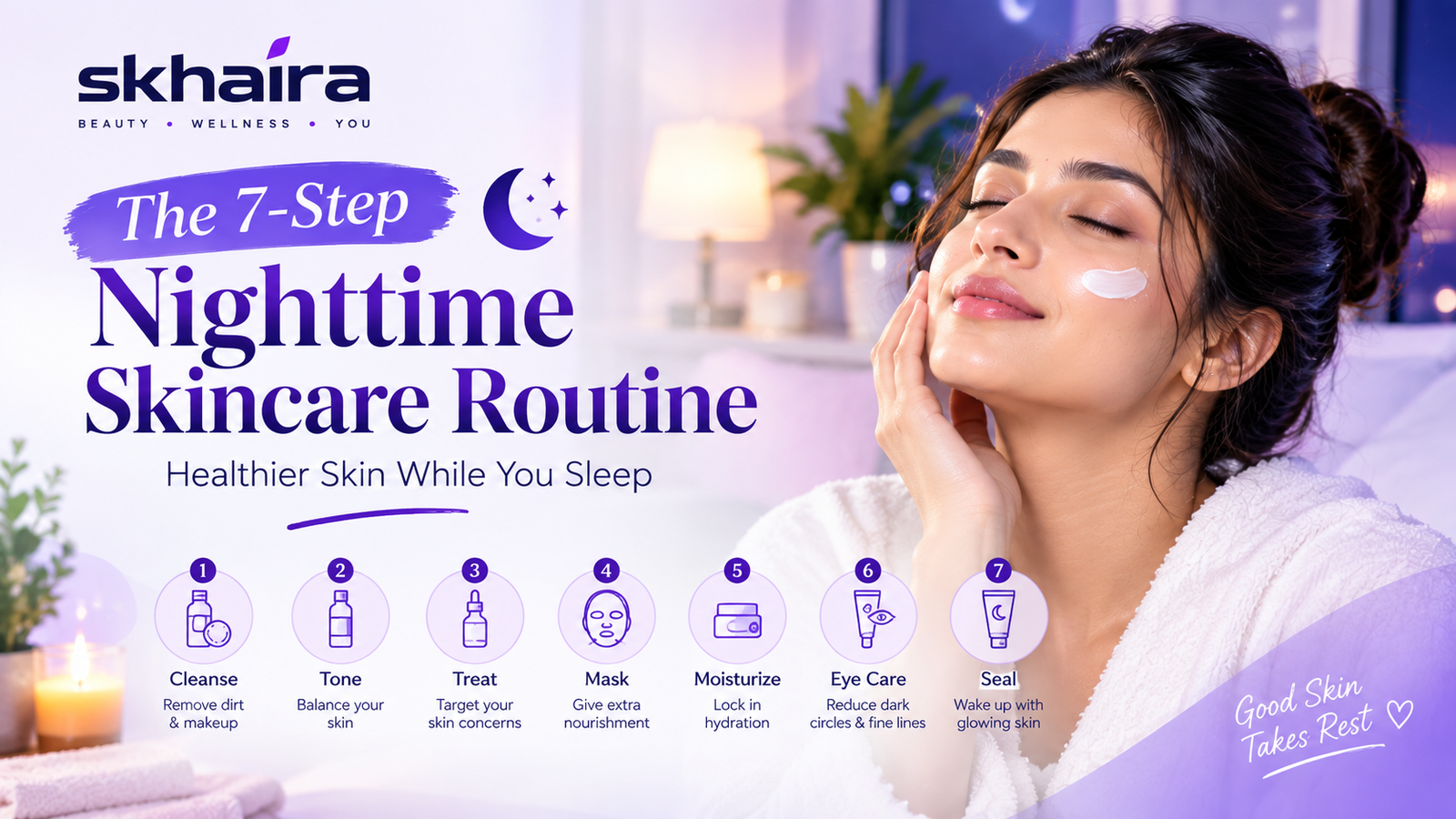
If there is one beauty habit worth taking seriously, it's daily sun protection.
UV exposure can contribute to sunburn, premature skin aging, and skin cancer. The American Academy of Dermatology recommends choosing a sunscreen with SPF 30 or higher, broad-spectrum protection, and water resistance.
And don't forget areas people commonly miss, such as the ears, neck, and tops of the feet.
Sunscreen isn't just a summer product. Your skin is exposed to UV radiation whenever you spend time outdoors.
3. Don't mix random products into your sunscreen
This is an easy mistake to make. You might think mixing sunscreen with foundation, moisturizer, or other skincare products will save time. However, changing the formulation can interfere with how the sunscreen forms its protective film.
Instead, apply your skincare products separately and use your sunscreen as the final step of your morning skincare routine before makeup.
If you need specific advice for your skin, a dermatologist is the best person to ask.
4. Give skincare products time to settle
Applying five products one immediately after another isn't always the best approach. Allowing products to settle before applying the next layer can make your routine more comfortable and help prevent excessive pilling under makeup.
This is especially useful before applying primer and foundation.
You don't necessarily need to wait a long time between every product, but rushing through your entire routine can make makeup application messier.
5. Your makeup brushes need cleaning too
We clean our faces every day, but how often do we clean the tools that touch them?
Makeup brushes and sponges can collect makeup residue, oil, and other buildup. Regular cleaning is therefore an important part of maintaining good makeup hygiene.
If you're experiencing frequent breakouts, don't only look at your skincare products. Think about what repeatedly touches your face — including makeup brushes, sponges, phones, and pillowcases.
6. Your pillowcase can become part of your skincare routine
Your face spends hours against your pillowcase every night. That makes keeping your bedding clean a surprisingly practical beauty habit. Some people in beauty communities report noticing fewer breakouts after changing pillowcases more frequently.
This doesn't mean your pillowcase is automatically responsible for acne. Hormones, genetics, skincare, stress, and many other factors can contribute to breakouts.
But regularly washing your pillowcases is still a simple hygiene habit worth maintaining.
7. Be gentle when drying your face
Your skin doesn't need to be aggressively rubbed dry. After cleansing, gently pat your face with a clean, soft towel instead of vigorously rubbing it.
This small change can be particularly helpful if your skin is dry, sensitive, or easily irritated.
The goal of skincare isn't to make your skin feel “squeaky clean.” Overly harsh cleansing or scrubbing can irritate the skin.
8. Your hair doesn't always need the hottest setting
Heat styling can make hair look great, but excessive heat can damage it. If you use a hair dryer, straightener, or curling iron regularly, try using a lower or medium heat setting whenever possible. Dermatologists recommend limiting excessive heat and using heat-protective products when styling.
Interestingly, a discussion in the beauty community also highlighted the idea that controlled, low-heat blow drying can sometimes be preferable to leaving hair wet for a very long time. However, hair behaves differently depending on its type and condition, so this isn't a universal rule.
The important lesson is simple: avoid excessive heat and handle wet hair gently.
9. Don't aggressively rub wet hair with a towel
Wet hair is more vulnerable to damage. Instead of vigorously rubbing your hair with a rough towel, gently squeeze out excess water and use a soft towel or T-shirt to absorb moisture.
The American Academy of Dermatology recommends gentle handling and notes that rough towel drying can contribute to hair damage.
This tiny change can be especially useful if you're dealing with frizz, breakage, or fragile hair.
10. Know your hair type before buying hair products
A product that works beautifully for one person may not work for another.
Straight, wavy, curly, fine, coarse, oily, and dry hair can all have different needs.
Instead of buying a product simply because it's trending online, first consider your hair type and scalp condition.
Choosing products designed for your particular hair type is one of the basic recommendations from dermatologists for healthier-looking hair.
11. You may not need to exfoliate every day
Exfoliation can make skin feel smoother, but more isn't necessarily better. Over-exfoliating can irritate your skin and make problems worse, particularly if you already have sensitive skin.
How often you should exfoliate depends on your skin type and the exfoliating product you're using.
If your skin becomes red, irritated, unusually dry, or uncomfortable, it's a good reason to step back and reassess your routine.
12. Don't copy someone else's skincare routine blindly
One of the biggest beauty mistakes is assuming that another person's routine will automatically work for you. Your friend might love a particular serum. An influencer might swear by a certain cream. A viral video might recommend a DIY treatment.
That doesn't mean your skin needs the same thing.
Skin type, age, environment, allergies, existing skin conditions, medications, and lifestyle can all affect what works for an individual.
Use beauty trends as ideas, not instructions.
13. Remove makeup before going to bed
It sounds obvious, but busy days make it easy to skip. Leaving makeup on overnight isn't a good habit for your skin. Make removing makeup part of your evening routine, particularly if you wear foundation, concealer, waterproof makeup, or long-wearing products.
Depending on what you're wearing, you may find an oil-based cleanser or cleansing balm useful for removing makeup and sunscreen, followed by a gentle cleanser.
But avoid turning cleansing into aggressive scrubbing.
14. Beauty is also about everyday habits
Sometimes the best beauty tips have nothing to do with buying a beauty product. Getting enough sleep, eating a balanced diet, staying active, managing stress, avoiding smoking, and protecting your skin from excessive sun exposure all contribute to overall health and appearance.
Even your sleeping position may influence the development of sleep lines over time, although many factors contribute to skin aging.
A good beauty routine is therefore not just what's sitting on your bathroom shelf.
It's also what you do every day.
15. Consistency beats constantly searching for the next beauty hack
This may be the most important beauty tip of all. It's easy to jump from one viral skincare hack to another. One week it's a new serum, the next week it's a new DIY face mask, and then there's another “secret” routine promising glowing skin.
But healthy-looking skin and hair usually aren't created overnight.
A consistent routine, suitable products, sun protection, gentle hair care, and good hygiene habits are much more useful than constantly chasing trends.
The beauty tips worth remembering
You don't need to completely change your routine after reading this.
Start with a few simple habits:
- Wear sunscreen regularly.
- Keep your makeup tools clean.
- Wash your pillowcases regularly.
- Be gentle with wet hair.
- Reduce unnecessary heat styling.
- Choose skincare and hair products based on your needs.
- Don't over-exfoliate.
- Remove makeup before bed.
- Keep your routine simple and consistent.
- Be careful with viral beauty hacks.
And remember, not every beauty tip on the internet is right for everyone. If you're dealing with persistent acne, hair loss, irritation, or another skin or scalp concern, professional advice from a dermatologist can be much more useful than experimenting with another viral hack.
The best beauty tips are often the ones that are simple enough to actually follow.
You don't always need a bigger beauty routine. Sometimes you just need to make a few small changes to the routine you already have.
Because when it comes to beauty, small habits can make a big difference over time.
This article is for general beauty and skincare education and isn't a substitute for professional medical advice.