
In 2026, beauty and wellness are inseparable. Clients are seeking salon visits that offer emotional relief, relaxation, and mental reset alongside visible aesthetic results. By transforming routine appointments into restorative experiences, salons can command premium pricing, deepen emotional connections, and position themselves as self-care destinations rather than transactional service providers.
And the market is enormous. Beauty and wellness convergence is no longer just a talking point mood-boosting body care, supplements, and psychodermatology are gaining serious traction, with 55% of Gen Z willing to pay more for products and experiences that replicate out-of-home spa experiences.
The salons that understand this shift and act on it in 2026 will attract a new generation of clients who visit more frequently, spend more per visit, and build a loyalty so deep that no competitor can easily break it.
This blog is your complete guide to turning your salon into a wellness destination — practically, affordably, and in a way that makes sense for the Indian market.
UNDERSTAND THE BEAUTY-WELLNESS CONVERGENCE IN INDIA
The classical beauty salon has been nudged to position itself as a life styling destination rather than merely a service provider. But what does this actually mean for a salon owner in India?
It means your clients especially millennials and Gen Z are no longer satisfied with a transactional haircut. They want the full experience. They want to feel cared for, not just groomed.
WHAT IS DRIVING THIS SHIFT IN INDIA:
Rising stress levels: India's urban working population is under significant pressure. Long commutes, demanding jobs, and digital overload have created a client who desperately needs a mental reset and is willing to pay for it.
Ayurveda's global renaissance: The wellness market is seeing a powerful shift toward purposeful journeys, longevity, nature immersion, and ancient healing. Ayurveda will call the shots in 2026 and India is uniquely positioned to lead this. Clients want authentic Ayurvedic rituals abhyanga, shirodhara, herbal treatments not because they are fashionable but because they are genuinely effective.
The self-care movement: With roughly 432 million Indian women in the workforce, dual-income households are increasingly time-pressed. A salon visit that delivers both beauty results and genuine relaxation is not a luxury it is an essential.
Social media influence: Clients have seen luxury spa experiences on Instagram and YouTube. They want something similar without the five-star hotel price tag. A salon that offers even a fraction of that experience at accessible pricing captures significant demand.
Salons integrating wellness attract diverse clientele for holistic grooming. The increasing emphasis on wellness has spurred the adoption of diverse beauty treatments and therapies.
This is the opportunity. Let us talk about how to capture it.
START WITH THE EXPERIENCE BEFORE THE SERVICES
The biggest mistake salon owners make when trying to become a wellness destination is adding wellness services before creating a wellness experience.
Here is the truth: a scalp massage in a loud, chaotic salon with chemical fumes and rushed staff is not a wellness experience. It is just another service.
Wellness begins the moment your client walks through the door.
REDESIGN YOUR CLIENT ARRIVAL:
The welcome: Instead of a distracted "sit anywhere, someone will be with you," train your team to greet every client warmly, by name, with full attention. This one change costs nothing and immediately elevates the experience.
An arrival ritual: Offer a small herbal welcome drink a clay cup of tulsi tea, jeera water with lemon, or warm ginger infusion. In India, this tradition of hospitality (atithi devo bhava) resonates deeply with clients. The cost is ₹5 to ₹15 per client. The impact on how she feels about your salon is enormous.
The sensory environment:
- Scent: A diffuser with lavender, sandalwood, or eucalyptus immediately signals a wellness space. Use natural essential oils, not synthetic air fresheners.
- Sound: Soft instrumental music classical Indian, nature sounds, or calm acoustic at low volume. Not Bollywood at full blast.
- Light: Warm, amber-toned lighting. Avoid harsh overhead fluorescents. Dimmable LED lighting creates a dramatic difference in how a space feels.
- Temperature: A slightly cool, comfortable salon temperature. Not freezing, not hot. Consistent.
These sensory details do not require a renovation. They require intention — and a small monthly investment of ₹2,000 to ₹5,000 in oils, teas, and lighting adjustments.
ADD WELLNESS SERVICES STEP BY STEP
You do not need to become a full spa overnight. A phased approach starting with small wellness additions and building to a complete wellness menu is both financially safer and operationally smarter.
TIER 1: START HERE (Immediate, low investment):
These are add-on services that can be offered within your existing salon setup with minimal additional training or equipment.
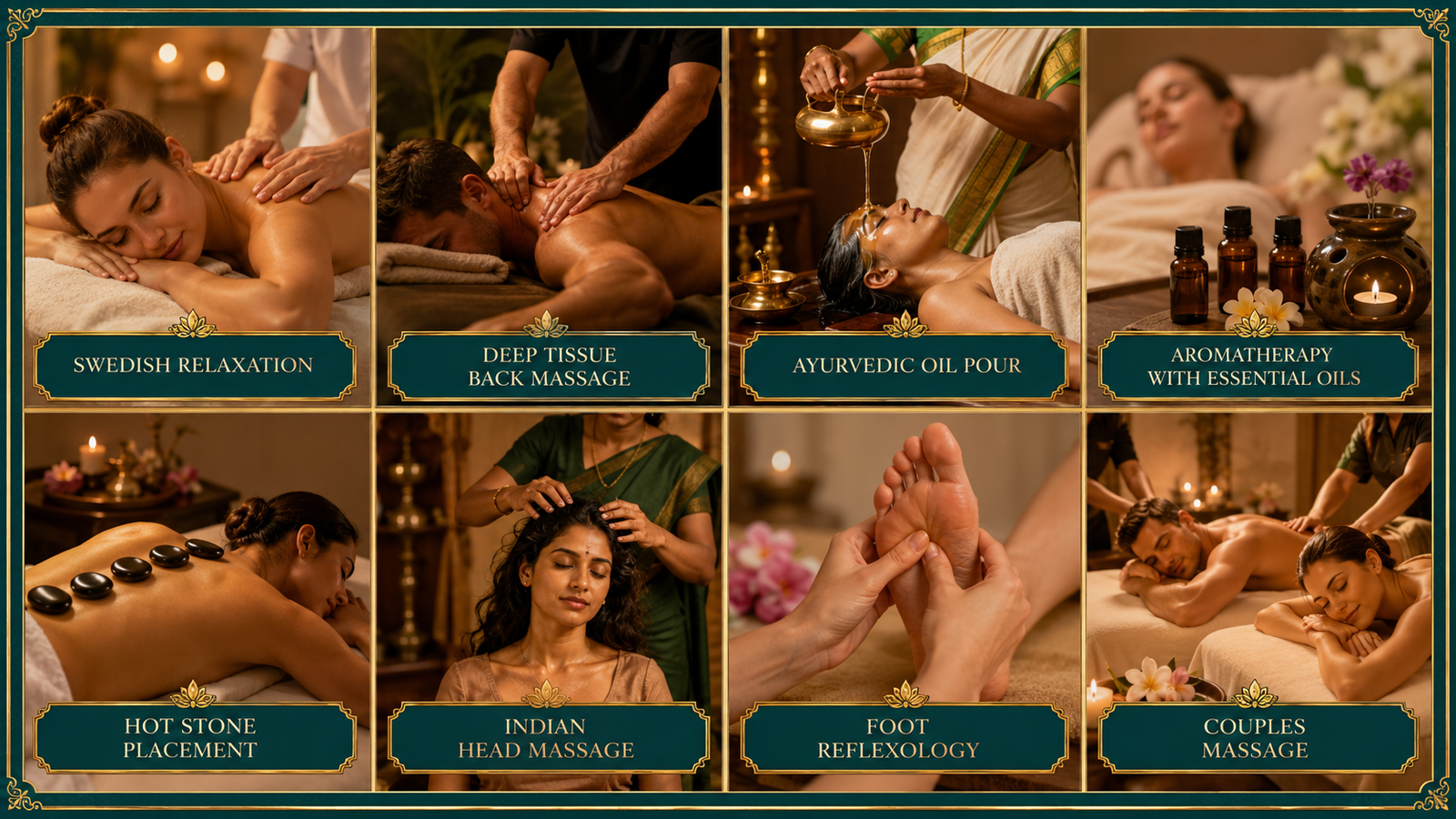
Head and scalp massage (15 to 20 minutes): ₹300 to ₹600
The most popular wellness add-on in Indian salons. Deeply relaxing, culturally familiar, and easy to add to any hair appointment. Clients who experience a scalp massage during their haircut almost always request it again.
Foot massage or reflexology (20 minutes): ₹300 to ₹500
Offer while colour is processing or during a long treatment. Clients who sit for 90-minute colour appointments have idle feet — turn that time into revenue and relaxation.
Aromatherapy add-on: ₹150 to ₹300
A few drops of essential oil added to a conditioning treatment, a massage, or a facial steam. A tiny cost, a significant sensory upgrade that clients remember and mention to friends.
Hand and arm massage (10 minutes): ₹200 to ₹400
Offered during processing time. Requires no equipment, minimal training, and converts downtime into a premium experience.
TIER 2: ADD AFTER 30 DAYS (Signature wellness treatments):
Scalp ritual (45 minutes): ₹800 to ₹1,800
A structured treatment combining scalp analysis, oil infusion (Ayurvedic or medical-grade), massage, and steam. Addresses dandruff, hair fall, dryness, and stress — four of India's most common hair concerns. Position this as a monthly treatment and it becomes a powerful recurring revenue stream.
Ayurvedic facial (45 to 60 minutes): ₹1,000 to ₹2,500
Using natural, Ayurvedic-based products kumkumadi oil, nalpamaradi, sandalwood paste this treatment connects authentically with India's wellness heritage. Clients who are sceptical of "western spa" treatments are deeply receptive to an Ayurvedic facial that feels rooted in tradition.
Stress-relief back massage (30 minutes): ₹600 to ₹1,200
For female clients especially, a seated upper-back and shoulder massage — available while colour processes or as a standalone treatment addresses the most common stress-related complaint in India's urban working population.
Hair and scalp detox treatment (60 minutes): ₹1,200 to ₹2,500
Combines a clarifying wash to remove product buildup, a nourishing scalp treatment, and a deep conditioning mask. Positions your salon as an expert in scalp health the fastest-growing segment of hair care awareness in India in 2026.
TIER 3: WELLNESS PACKAGES (For the established wellness salon):
The Monthly Reset: Scalp ritual + Ayurvedic facial + hand massage = ₹2,500 to ₹4,500
A monthly self-care package designed for busy working women who want a complete reset in one visit.
The Half-Day Retreat: Hair treatment + full body massage + facial + lunch or refreshments = ₹4,000 to ₹8,000
A premium, time-intensive experience positioned as a birthday treat, anniversary gift, or quarterly self-care ritual.
The Pre-Wedding Wellness Programme: A structured multi-visit programme combining skin prep, scalp and hair nourishment, stress-relief treatments, and nutritional guidance designed for brides who want to look and feel their best. This connects naturally with the bridal packages we covered in The Ultimate Guide to Bridal Packages for Salons in India.
BRING AYURVEDA INTO YOUR SALON
India has a 5,000-year heritage of wellness that is more relevant in 2026 than at any point in modern history.
The wellness market is witnessing a powerful return to Ayurveda as consumers seek to address fundamental health issues rather than follow fleeting fads. Forest Essentials, India's OG luxury Ayurvedic skincare brand, has been wholly bought by Estée Lauder a signal of how seriously global beauty is taking India's ancient wellness tradition.
For Indian salon owners, Ayurveda is not just a trend to follow it is a genuine competitive advantage. No Western salon can offer authentic Indian Ayurvedic treatments with the same cultural credibility as an Indian salon run by an Indian team for Indian clients.
AYURVEDIC TREATMENTS TO INTRODUCE:
Shirodhara-inspired scalp ritual:
A simplified version of the classic Ayurvedic shirodhara warm oil poured gently over the scalp and massaged in — that delivers profound relaxation without requiring a full treatment table setup. Deeply popular, deeply effective, and deeply Indian.
Abhyanga-inspired body massage:
A warm oil full-body or upper-body massage using traditional Ayurvedic oils sesame, brahmi, or ashwagandha infused adapted for salon delivery. Positioning this as "Indian healing" rather than "spa massage" creates immediate cultural resonance.
Kumkumadi facial:
A traditional skin brightening facial using kumkumadi tailam a saffron-based Ayurvedic oil blend combined with gentle massage and herbal steam. One of the most searched Ayurvedic beauty treatments in India in 2026.
Herbal hair masks:
Using ingredients your clients recognise and trust amla, shikakai, brahmi, hibiscus, fenugreek — creates authenticity and differentiates from chemical-based treatments offered everywhere else.
SOURCING AYURVEDIC PRODUCTS:
Partner with trusted Indian Ayurvedic product brands for professional-grade formulations — Kottakkal Arya Vaidya Sala, Kerala Ayurveda, Biotique Professional, and Patanjali Professional all offer salon-grade Ayurvedic products at accessible price points.
TRAIN YOUR TEAM AS WELLNESS PRACTITIONERS NOT JUST STYLISTS
A wellness experience is only as good as the person delivering it. Technical skill matters but presence, intention, and the ability to make a client feel genuinely cared for matter more.
Training your team to be wellness practitioners not just skilled technicians is the transformation that turns service delivery into a meaningful experience.
WHAT WELLNESS PRACTITIONER TRAINING LOOKS LIKE:
Mindful consultation skills:
Train your team to slow down consultations to ask not just "what service do you want?" but "how are you feeling today? How has your skin and hair been since your last visit? Is there anything specific you want to address?" This kind of consultation builds deep trust and surfaces wellness needs the client may not have thought to mention.
Presence during service:
A stylist who is on her phone between steps, rushing to finish, or having a loud personal conversation is not creating a wellness experience. Train your team to be fully present during every service calm, focused, attentive. This is not about being silent it is about the quality of attention given to the client.
Massage technique basics:
Even a basic head massage training programme 4 to 6 hours with a certified massage therapist gives your stylists enough skill to deliver a genuinely effective scalp, hand, or foot massage. This investment of ₹2,000 to ₹5,000 per stylist unlocks an entirely new revenue stream.
Product knowledge for wellness:
Your team should be able to explain the benefits of every wellness product and treatment they use what the ingredients do, why you chose them, how the client can extend the benefit at home. This expertise is what converts a treatment into a retail sale and a casual client into a believer.
For a complete staff training framework, refer to: How to Train New Salon Staff and Maintain Quality.
PRICE YOUR WELLNESS SERVICES FOR PREMIUM POSITIONING
Wellness services command premium pricing and clients willingly pay it because the perceived value is high.
55% of Gen Z are willing to pay more for services that recreate out-of-home spa experiences and you do not need to charge five-star spa prices to benefit from this willingness.
THE WELLNESS PRICING PRINCIPLE:
Wellness services should be priced 30 to 50% above equivalent time-based services in your regular menu. A 45-minute head massage positioned as a "scalp ritual with Ayurvedic oils and steam" commands ₹1,200 to ₹1,800. The same service positioned as a "head massage" commands ₹400 to ₹600.
The positioning the name, the description, the environment, the ritual justifies the premium. Clients are not just paying for 45 minutes of massage. They are paying for a curated experience designed to restore them.
STRUCTURE YOUR WELLNESS PRICING:
Introductory add-on pricing: Low enough to encourage trial ₹200 to ₹500 for express add-ons that can be attached to any existing appointment.
Signature treatment pricing: Mid-range premium ₹800 to ₹2,500 reflecting the expertise, products, and time invested.
Package pricing: Where the real revenue is ₹2,500 to ₹8,000 for multi-service wellness packages that combine hair, skin, and body treatments into a single premium experience.
For a complete pricing strategy including cost calculation and how to communicate premium pricing to clients, refer to: Salon Pricing Strategy: How to Price Your Services in India.
MARKET YOUR WELLNESS OFFERING TO ATTRACT THE RIGHT CLIENTS
The right marketing for a wellness salon is different from standard salon marketing. It is less promotional and more aspirational. Less "book now" and more "imagine how you will feel."
INSTAGRAM LEAD WITH FEELING, NOT FEATURES:
Your wellness content should evoke emotion before it describes a service.
Post the warm herbal tea. Post the calming lighting. Post a client's closed-eyes-deep-exhale moment during a scalp ritual (with permission). Post the Ayurvedic oil in a copper bowl. Post the monsoon-season scalp ritual that "your hair needs right now."
These images make a client feel the experience before she books it. That feeling is what drives premium bookings.
GOOGLE — OPTIMISE FOR WELLNESS SEARCHES:
Update your Google Business Profile to include wellness-related services "scalp ritual," "Ayurvedic facial," "stress relief massage," "holistic beauty." Clients searching for these terms in your city should find your salon.
WHATSAPP — TELL YOUR WELLNESS STORY TO EXISTING CLIENTS:
Your most powerful wellness marketing audience is your existing client list. They already trust you. A WhatsApp broadcast introducing your wellness menu written personally, with warmth is your fastest route to first wellness bookings:
*"Hi [Name]! We have been working on something special at [Salon Name] and we are so excited to share it with you. We have just launched our wellness menu — Ayurvedic scalp rituals, stress-relief treatments, and monthly memberships designed for the days when you need more than just a great haircut. We would love for you to be among the first to experience it. Reply here for our founding member rate this month 🌿"*
For more organic marketing strategies to fill your wellness calendar, refer to: How to Increase Salon Bookings Without Spending on Ads and How to Retain Salon Clients and Build Loyalty.
The salon that wins in India in 2026 is not the one with the most services on its menu. It is the one that makes clients feel most restored, most cared for, and most genuinely human when they walk out the door.
By transforming routine appointments into restorative experiences, salons can command premium pricing, deepen emotional connections, and position themselves as self-care destinations rather than transactional service providers.
You do not need a full spa. You do not need a renovation. You need intention to design a space, a team, and a service menu that treats every client visit as a moment of genuine care.